


How Windows Impact Energy Efficiency
The Window Co is a pillar in the windows and doors industry in Manchester, a vibrant city. The Window Co is a supplier of premium PVCu, aluminium, and timber-effect windows and is aware of the complex science underlying the field of energy-efficient windows. Our wide choice of products, which vary from traditional casement windows to innovative sliding sashes, shows a commitment to increasing energy efficiency without sacrificing aesthetics.
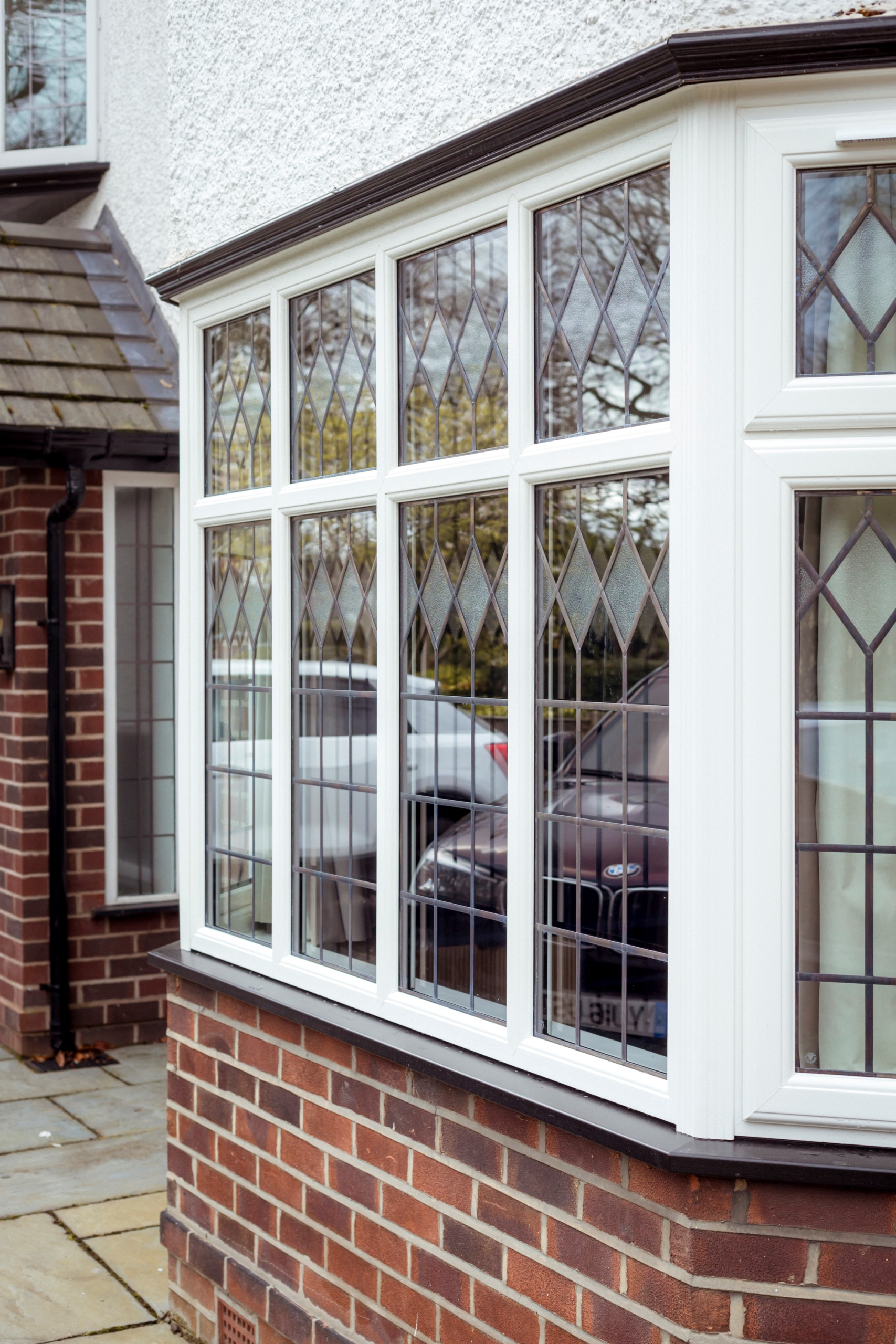
Insulation and Heat Transfer
When it comes to windows, the concept of insulation plays a crucial role in energy efficiency. Insulation refers to the material's ability to resist the flow of heat. In the context of windows, the goal is to reduce heat transfer between the inside and outside of a building. This is particularly important because windows are areas where heat can easily escape or enter, affecting the indoor temperature and energy consumption.
Conduction
Conduction is a process by which heat is transferred through direct contact between materials. In windows, heat can be conducted through the glass and the frame. Materials that are good conductors of heat, can allow heat to pass through easily. The Window Co's PVCu, aluminium, and timber-effect materials are carefully chosen for their low thermal conductivity. This means they don't readily allow heat to move through them, which in turn reduces the amount of heat lost or gained through the window.
Convection
Convection involves the movement of fluids or gases due to temperature differences. In the context of windows, air currents near windows can lead to energy loss. When warm indoor air comes into contact with the cold glass surface, it cools and falls, creating a flow of air that takes away heat. The Window Co's windows are designed to minimize these convective currents. By creating barriers that prevent air from directly contacting the glass or by using insulating gases between double or triple glazing, they reduce the impact of convective heat transfer.
Radiation
Radiation is the transfer of heat energy in the form of electromagnetic waves. All objects emit and absorb radiation, and this process can influence the temperature of a space. Windows can emit and absorb radiant heat, which affects indoor comfort. The Window Co's use of low-emissivity (low-E) coatings on their windows is a scientific strategy to manage radiation. These coatings reflect a significant portion of radiant heat, preventing it from escaping during cold weather or entering during hot weather. This helps maintain a consistent indoor temperature and reduces the need for excessive heating or cooling.
Double Glazing
Double glazing is a remarkable advancement in energy-efficient window technology that leverages the principles of insulation and heat transfer. It involves two panes of glass separated by a gap that can be filled with air or an insulating gas. This gap acts as a thermal barrier, reducing the direct transfer of heat between the interior and exterior. Additionally, the double glazing process can incorporate coatings that further enhance energy efficiency. Our incorporation of double glazing in our windows is a scientific solution that significantly improves insulation, minimizes heat transfer, and contributes to a more energy-efficient living environment.
Maximising Window Energy Saving
The Window Co's commitment to energy efficiency goes beyond the products themselves. With over three decades of history, we carry forward the values set by founder Mr Glen Squire. Our FENSA registration and 'Which? Trusted Trader' status underscores our dedication to quality and adherence to industry standards. Our windows not only bear the promise of a 10-year guarantee but also embody the ethos of integrity, honesty, and value established by our founder.
In a world where energy efficiency is paramount, The Window Co's range of PVCu, aluminium, and timber-effect windows shine as beacons of innovation and sustainability. With a rich history, a commitment to quality, and a passion for energy-saving solutions, The Window Co is poised to illuminate the path towards a more energy-efficient future. To work out just how much you can save, see our Energy Saving Calculator and find out just how much you can save by us - for any further inquiries, be sure to contact us.